Morning Routines That Help Calm Anxiety and Set the Tone for Your Day

By Dr. Quinnett Swank, EdD, LMFT
If you wake up already feeling a pit in your stomach, racing thoughts, or the sense that you’re “behind” before the day even starts, you’re not alone. Many people living with anxiety notice their mornings are the hardest part of the day.
But here’s the good news: you don’t need a perfect morning routine to feel more grounded. You just need small, supportive rituals that work with your nervous system, not against it.
Let’s talk about why mornings can feel so overwhelming, and three therapist-approved practices you can begin weaving into your day tomorrow.
Why Morning Anxiety Is So Common
Your body and mind are often most vulnerable to stress right after waking. This is because:
Cortisol (the stress hormone) naturally peaks in the morning to help you wake up. For people with anxiety, this spike can feel like panic instead of energy.
Sleep quality plays a huge role. If you didn’t sleep well, your nervous system may already be in “fight-or-flight mode.”
Overthinking patterns kick in quickly. Your mind may jump straight into worries about the day ahead.
Understanding this isn’t about blaming yourself. It’s about recognizing that your body is doing its best to protect you. And you can support it with small adjustments.
Three Morning Practices to Calm Anxiety
You don’t need to overhaul your entire lifestyle to feel better in the mornings. Try these simple, grounding steps:
1. Start With Breath, Not Your Phone
Before reaching for emails or social media, take 60 seconds to check in with your body.
Try box breathing: inhale for 4, hold for 4, exhale for 4, hold for 4.
Notice how your shoulders drop or your heart rate slows.
Why it helps: You’re teaching your nervous system to regulate before you flood it with external stressors.
2. Create a “Gentle First Step”
Instead of launching straight into work or caretaking, give yourself one soft ritual.
Sip water or tea mindfully.
Stretch for two minutes.
Step outside for fresh air and sunlight.
Why it helps: These tiny rituals send a message: you are safe, you can ease into the day.
3. Set an Intention (Not a To-Do List)
Anxiety thrives on mental clutter. Instead of focusing on what you “must do,” try setting one gentle intention for the day:
“I will move slowly.”
“I will be kind to myself.”
“I will focus on one task at a time.”
Why it helps: This grounds your mind in the present moment instead of spiraling into overwhelm.
Remember: Flexibility Over Perfection
You don’t need the “perfect morning routine” you see on Instagram. Some days you’ll do all three steps. Some days just one. That’s still progress.
Healing is built on small, repeatable actions, not rigid rules.
Try This Tomorrow Morning
Take one slow breath before checking your phone.
Pick one gentle step (stretch, sip, sunlight).
Whisper your intention for the day.
See how your body and mind respond. Notice the difference, even if it feels subtle at first.
What to Do Next
Pick one of the practices above and try it tomorrow morning.
Notice how your body feels throughout the day.
If it helps, write it down as a reminder to yourself. Small habits grow stronger with repetition.
Final Note
If mornings feel heavy, please know you’re not alone and you don’t need to “push through” by yourself. With the right tools and support, your days can begin with more calm and less overwhelm.
When you’re ready to take the next step, therapy can help you create routines and strategies that fit your life, not the other way around. Learn more or schedule a consultation at swankcounseling.com.
Until next time. Take care!
Dr. Quinnett
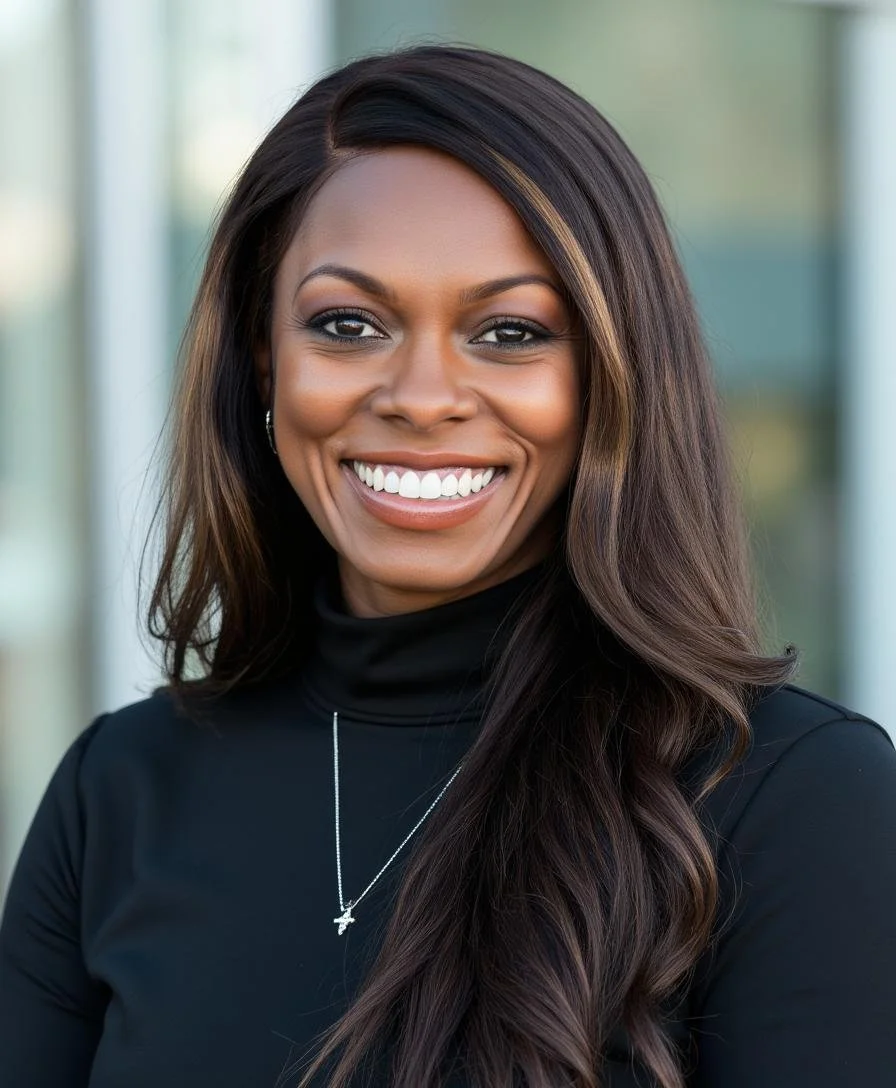
About the Author
Dr. Quinnett Swank, EdD, LMFT
I'm Dr. Quinnett Swank, a licensed marriage and family therapist, educator, and certified nutrition coach based in Las Vegas, Nevada.
At Swank Counseling, I work with adults navigating anxiety, stress, relationship challenges, life transitions, identity shifts, and patterns that continue to resurface. I also work with couples who want to strengthen communication, work through conflict, navigate change, and rebuild connection.
My approach is practical, collaborative, and whole-person focused. In addition to exploring thoughts, emotions, relationships, and behavior, I may incorporate conversations about factors such as stress, sleep, movement, and nutrition when they are relevant to a client's mental health and overall well-being.
Therapy is available in person in Northwest Las Vegas and virtually throughout Nevada.
I'm also the host of Wellness Unfiltered with Dr. Quinnett, where I share conversations about mental health, relationships, behavior change, and whole-person wellness.
My goal is to help you better understand what's happening beneath the surface so you can make changes that feel realistic, sustainable, and aligned with the life you want to build.
Ready to feel more connected to yourself again?
Important Note: This blog post is for educational purposes and isn't intended to replace professional mental health care. If you're experiencing severe anxiety, panic attacks, or thoughts of self-harm, please reach out to your healthcare provider or call 988 for immediate support.