Mental Health After the Holidays: Coping With the January Slump
By Dr. Quinnett Swank, EdD, LMFT
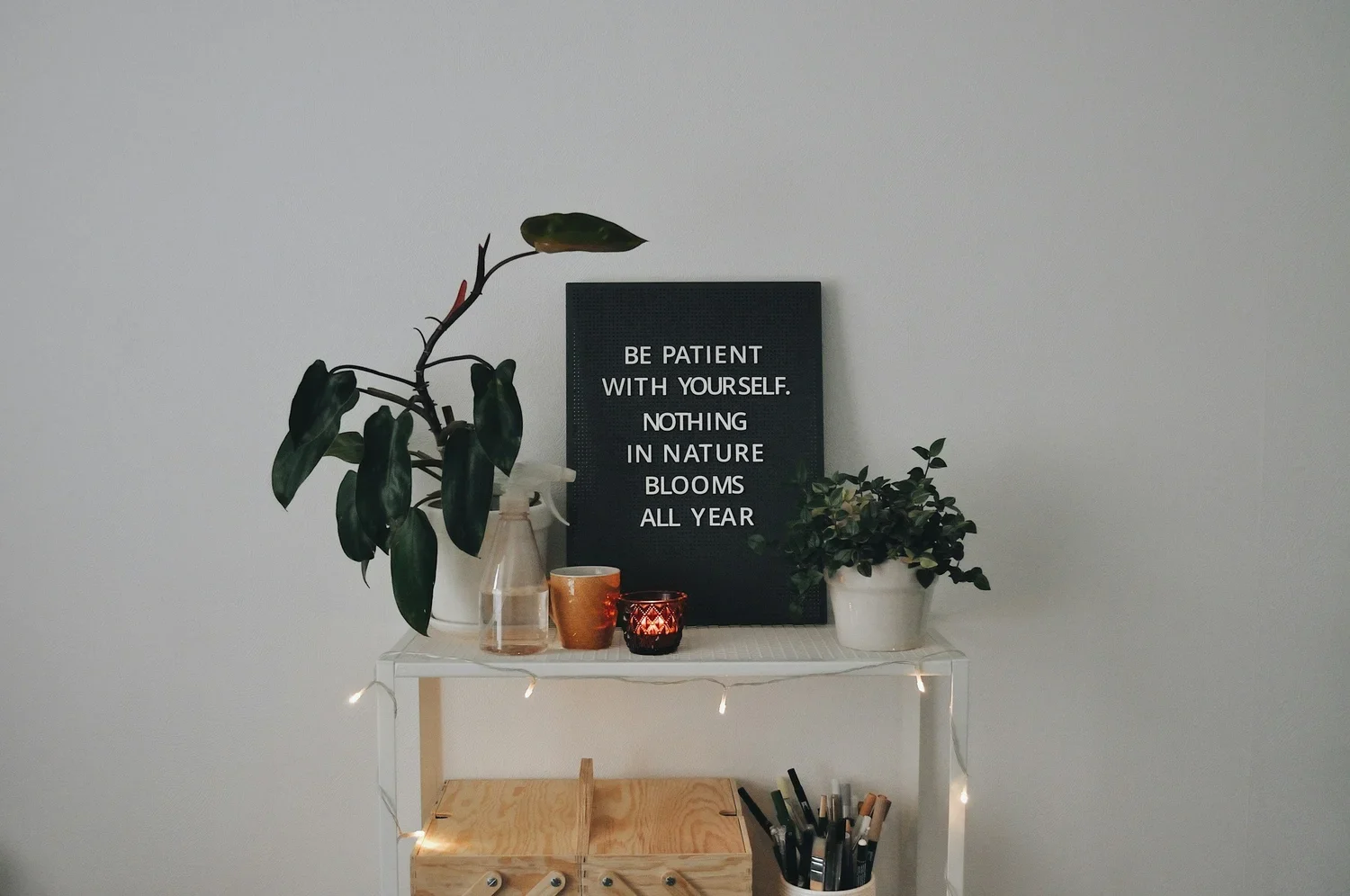
January mental health can feel slower because of seasonal mood changes. Patience and small routines often help more than pushing yourself through post-holiday blues.
Mental Health After the Holidays: Coping With the January Slump
TL; DR: If you’re feeling the post-holiday blues in January, it’s usually your mind and body reacting to a big shift with less structure, less light, and more pressure to “get it together” all at once. You don’t need to force motivation; small routines, gentle movement, and steady connection can help your mood reset. If it still feels heavy, therapy support can help you regulate emotions and rebuild momentum without shame.
When January Feels Heavier Than You Expected
If you’ve felt a noticeable emotional drop after the holidays, you’re not alone. Many adults experience a “crash” in January with less motivation, lower mood, more irritability, a sense of emptiness, or a heavier kind of tired that sleep doesn’t fully fix. The holidays often come with structure, stimulation, and social connection, even if it’s stressful. When it ends, the contrast can feel sharp.
In my work with clients, January often brings a sense of disconnection and uncertainty with how to get back to routines. Many people tell me they feel like they “should” be productive again, but their body feels behind. Slower, heavier, less energized. That gap between expectations and capacity can be discouraging, especially when everyone else seems to be “starting fresh.”
This kind of post-holiday blues doesn’t mean anything is wrong with you. It often means your mind and body are responding to a real transition, one that deserves support, not self-criticism.
Why the Post-Holiday Blues Happen
January mental health can feel complicated for several reasons, and it’s rarely just one thing. Common factors include:
1) A sudden change in routine and stimulation
During the holidays, your days may be packed with events, travel, family schedules, shopping, cooking, conversations, and deadlines. Afterward, life gets quieter. That quiet can feel like relief, or like emptiness. Your nervous system goes from high stimulation to low stimulation quickly, and mood can dip in the transition.
2) Emotional whiplash and unmet expectations
Holidays can stir up grief, family stress, loneliness, nostalgia, or disappointment, sometimes all at once. Even “good” holidays can bring complicated feelings. When the season ends, you may finally have the space to feel what you pushed aside.
3) Seasonal mood changes and less daylight
Shorter days and less sunlight can affect energy, sleep, and mood. Seasonal mood changes don’t have to be severe to matter. Many people notice they feel slower, more withdrawn, or less optimistic this time of year.
4) Financial pressure and a return to responsibility
January can come with credit card bills, tighter budgets, and a return to work demands. That “back to real life” feeling can be discouraging, especially if you were already stretched thin.
5) Resolution culture and the motivation myth
There’s a lot of pressure to start fresh, get disciplined, and transform your life overnight. If you’re already depleted, those messages can create shame and self-criticism. Motivation is not a moral issue. It often follows stability, rest, and emotional regulation.
Practical Ways to Support Your Mental Health in January
The goal isn’t to force yourself to “snap out of it.” The goal is to support your system as it resets. Small, sustainable shifts are typically more effective than dramatic overhauls.
A Simple Framework: Calm Inside, Reconnect Outside
When January feels heavy, I often encourage clients to start here: calm the body on the inside so you can reconnect on the outside. If your nervous system is overloaded or depleted, it’s harder to access motivation, connection, and hope. Stabilizing your internal state first makes everything else more doable.
1) Calm inside: regulate your body before you push through
Try choosing one small regulation practice each day:
Step outside for 5 to 15 minutes of daylight, especially in the morning
10 slow breaths before checking your phone
A warm shower and a slower start
A short walk after work, even if motivation is low
Gentle stretching for 3 to 5 minutes
Think of this as turning the volume down in your body so your mind has more space.
2) Calm inside: shrink the timeline
When you’re in post-holiday blues, thinking in big arcs can feel overwhelming. Try narrowing it down:
What would make today 1% more manageable?
What is one supportive thing I can do in the next hour?
3) Calm inside: rebuild structure gently
A simple routine can stabilize January mental health without turning your life into a strict program. Choose one or two anchors:
Wake time and bedtime that are consistent enough
A 10-minute morning reset, coffee or tea, stretch, journaling, prayer, or meditation
A short walk after work
Planning one meaningful activity each weekend
4) Reconnect outside: add one point of connection per week
Post-holiday blues can worsen in isolation. Aim for one simple connection:
Coffee with a friend
A phone call during a walk
Joining a class or group you genuinely enjoy
Attending a community or faith-based gathering
Connection doesn’t have to be deep to be meaningful. Consistency matters more than intensity.
5) Reconnect outside: lower the bar on productivity and raise the bar on care
If you’re exhausted, pushing harder usually backfires. Consider:
Reducing optional commitments for a few weeks
Choosing good enough instead of perfect
Scheduling small recovery time blocks, even 15 minutes counts
6) Reconnect outside: be cautious with all-or-nothing resolutions
If January is heavy, strict new rules may be more self-punishing than supportive. Instead, choose stabilizers:
“I’ll meal prep twice this week.”
“I’ll walk three days.”
“I’ll be in bed by 10:30 on weeknights.”
“I’ll spend 10 minutes a day on something that calms my body.”
How Therapy Can Help You Reset After the Holidays
Therapy support can be especially useful during transitions, when you’re not in crisis but you’re not feeling like yourself either. If January mental health feels shaky, therapy can help you regain steadiness without self-blame.
Here are a few ways therapy can support you:
Emotional regulation and nervous system stabilization
Therapy can help you understand what’s driving your mood and build tools to calm overwhelm and reconnect with a sense of control.
Burnout recovery and boundary reset
If the holidays pushed you past your limits, therapy can help you identify what depleted you and how to set boundaries that protect your energy moving forward, without guilt.
Processing what the holidays brought up
Family dynamics, loss, unmet expectations, and old wounds often surface in December. Therapy gives you a structured space to process what happened, what it meant, and what you want to do differently.
Motivation and mood support without shame
When motivation is low, it’s rarely because you’re lazy. It’s often because you’re overloaded, disconnected, or emotionally exhausted. Therapy helps you rebuild motivation from a grounded place with values, realistic goals, and supportive routines.
A proactive, stabilizing choice
Therapy support isn’t only for emergencies. It can be a steadying resource, especially in January, when you want to feel more regulated, more hopeful, and more like yourself again.
Key Takeaways
If January feels heavier than you expected, you’re not failing, you’re adjusting. Start with Calm Inside, Reconnect Outside. Support your nervous system first with small stabilizers, then build gentle structure and connection that you can actually maintain.
If the post-holiday blues aren’t lifting, or you feel stuck in low mood and low motivation, therapy support can help you reset with practical tools and a plan that fits your real life. If you’d like support, I invite you to schedule a consultation and explore what therapy could look like for you during this season.
Until next time. Take care!
Dr. Quinnett

About the Author
Dr. Quinnett Swank, EdD, LMFT
I'm Dr. Quinnett Swank, a licensed marriage and family therapist, educator, and certified nutrition coach based in Las Vegas, Nevada.
At Swank Counseling, I work with adults navigating anxiety, stress, relationship challenges, life transitions, identity shifts, and patterns that continue to resurface. I also work with couples who want to strengthen communication, work through conflict, navigate change, and rebuild connection.
My approach is practical, collaborative, and whole-person focused. In addition to exploring thoughts, emotions, relationships, and behavior, I may incorporate conversations about factors such as stress, sleep, movement, and nutrition when they are relevant to a client's mental health and overall well-being.
Therapy is available in person in Northwest Las Vegas and virtually throughout Nevada.
I'm also the host of Wellness Unfiltered with Dr. Quinnett, where I share conversations about mental health, relationships, behavior change, and whole-person wellness.
My goal is to help you better understand what's happening beneath the surface so you can make changes that feel realistic, sustainable, and aligned with the life you want to build.
Ready to feel more connected to yourself again?
Important Note: This blog post is for educational purposes and isn't intended to replace professional mental health care. If you're experiencing severe anxiety, panic attacks, or thoughts of self-harm, please reach out to your healthcare provider or call 988 for immediate support.