High-Functioning Anxiety: The “I’m Fine” Pattern That Keeps You Stuck
By Dr. Quinnett Swank, EdD, LMFT
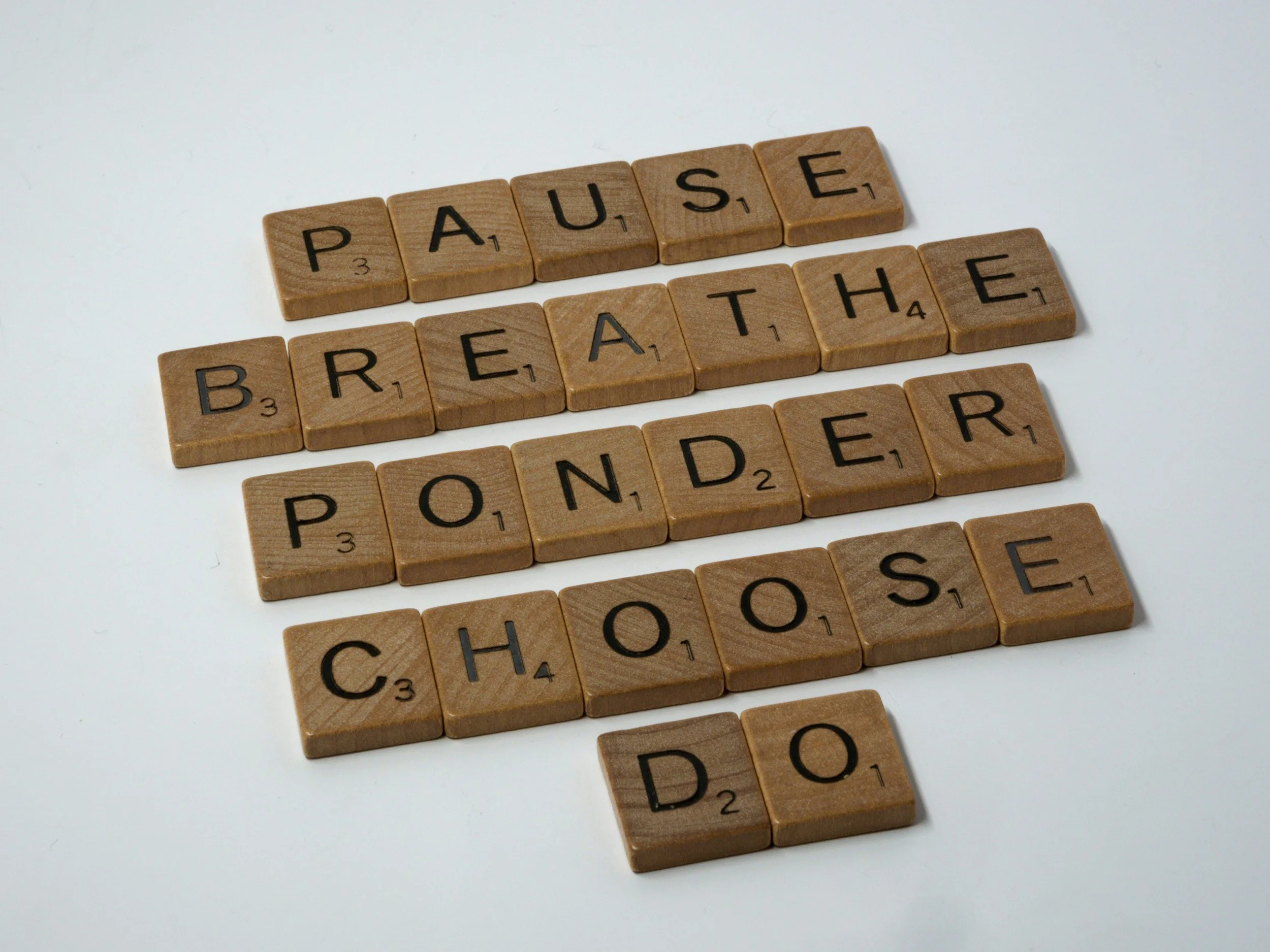
TL;DR
High-functioning anxiety often looks like competence, reliability, and “I’m fine” on the outside while your mind and body stay braced on the inside. For many adults (especially those who have experienced trauma or are self-identified perfectionists), this isn’t a personality trait. It’s a protection pattern: overthinking, overdoing, and over-responsibility used to create safety. The way forward isn’t forcing yourself to calm down it’s learning to notice the pattern, unhook from it, and choose next steps aligned with what matters.
If you want support shifting these patterns in a practical, steady way, Book a Free 15-Minute Consultation.
Want to learn more…keep reading.
You’re the person who gets things done, you might not look “anxious” from the outside. You keep up. You handle responsibilities. You’re reliable. You show up for other people. And internally, it can feel like you’re always running a few steps ahead thinking, planning, scanning, correcting. Like you’re bracing for the next problem even when nothing is obviously wrong.
For a lot of adults, this isn’t just stress. It’s a well-practiced pattern. Your mind learned strategies to keep you safe then kept using them long after the original situation changed.
You’re not broken. Your system is trying to protect you.
What the “I’m fine” pattern actually looks like
High-functioning anxiety doesn’t always show up as panic. It often shows up as competence with a cost.
It can look like:
Over-preparing, over-researching, overthinking
Feeling responsible for outcomes—and for other people’s feelings
Struggling to rest without guilt
Replaying conversations, decisions, or “mistakes” on loop
Holding yourself to standards you wouldn’t demand of anyone else
Always feeling like you should be doing more
Sometimes it’s loud: you feel wired, tense, on edge.
Sometimes it’s quiet: you feel numb, shut down, or like you’re living on autopilot.
Either way, the common thread is this: your system doesn’t fully stand down.
7 signs you’re stuck in an old pattern (not “just stressed”)
Stress usually has an off-switch. Patterns don’t.
Here are a few signs high-functioning anxiety is more than a busy season:
Your mind rarely feels quiet, even when things are going well
You second-guess after the fact, replaying what you “should’ve” done
You struggle to feel satisfied, even after you accomplish things
Rest feels uncomfortable—or you only rest when you’re depleted
You over-function in relationships, then feel resentful or exhausted
Your body is carrying it (tight chest, jaw clenching, shallow breathing, insomnia, headaches, GI stress)
You keep repeating the same cycle, even though you’re self-aware
If you recognize yourself here, the goal isn’t to judge it. The goal is to name it clearly because you can’t shift a pattern you’re still calling “just how I am.”
Why trauma survivors often become high-functioning
For trauma survivors, “high-functioning” often starts as survival.
Your nervous system learned: stay alert, stay prepared, stay in control.
Sometimes that came from obvious trauma. Sometimes it came from a childhood where emotions weren’t safe, needs weren’t met consistently, or you had to grow up fast.
Perfectionism can become a way to prevent criticism or rejection.
People-pleasing can become a way to prevent conflict.
Overthinking can become a way to prevent regret.
These strategies are often intelligent adaptations.
The issue is that what helped you then can quietly keep you stuck now because the pattern keeps running even when the danger is no longer present.
Perfectionism isn’t a “high standard.” It’s a safety strategy.
Perfectionism usually isn’t about excellence. It’s about avoiding pain.
Under the surface, it’s often driven by rules like:
“If I do it perfectly, I won’t be judged.”
“If I keep everyone happy, I won’t be rejected.”
“If I stay on top of everything, nothing will fall apart.”
The problem is that perfectionism has no finish line.
There’s always another thing to optimize, another way you could’ve done it better, another outcome you didn’t prevent. Over time, it can create a life that looks productive—but feels tight, anxious, and small.
Your mind may be chasing certainty. But what you’re really trying to feel is safe.
What helps (without forcing yourself to “calm down”)
If you’ve tried to “think positive,” work harder, or outsmart the anxiety and it didn’t last, that’s not a character flaw.
High-functioning anxiety is often maintained by loops, not logic.
ACT-based work offers a different direction: building emotional flexibility the ability to make room for what you feel and still choose your next step.
Here are a few grounded starting points.
1) Notice the rule your anxiety is running
High-functioning anxiety often runs on rigid rules:
“I can’t relax until everything is handled.”
“If I disappoint someone, it means I’m failing.”
“If I’m not doing enough, I’m falling behind.”
Try this: when the pressure rises, pause and name the rule.
Not to argue with it. Just to make it visible.
2) Unhook from the thought instead of debating it
Anxiety loves debate. It will happily keep you up all night “figuring it out.”
Instead, practice unhooking:
“I’m having the thought that I’m behind.”
“My mind is telling the old story again.”
“There’s the ‘do it perfectly’ alarm.”
This isn’t pretending the thought is false. It’s creating space so the thought doesn’t drive.
3) Make room in the body (small, steady, real)
If trauma is part of the picture, anxiety often lives in the nervous system.
Try:
Notice where the anxiety sits (chest, throat, stomach)
Breathe low and slow around it
Say: “I can make room for this sensation—without letting it run the day.”
The goal isn’t instant calm. The goal is building capacity.
4) Choose one values-based action
Anxiety organizes your life around avoidance: avoiding mistakes, discomfort, conflict, judgment.
Values-based action organizes your life around what matters.
Ask:
“If anxiety wasn’t in charge, what would I move toward here?”
“What matters to me in this moment?”
“What’s one next step that fits that value?”
Keep it small. Small actions re-train the pattern.
Examples:
Send the message (even if it’s not perfect)
Take the break (even if you don’t feel “done”)
Say no once (without over-explaining)
Ask for what you need (even if you feel awkward)
5) Practice boundaries that don’t require a long explanation
If you tend to over-explain, it’s often because a part of you believes you need permission to have limits.
Try short, steady boundaries:
“I can’t take that on right now.”
“That doesn’t work for me.”
“I’m going to pass.”
“I can do X, not Y.”
Boundaries reduce the load anxiety carries and rebuild self-trust.
When therapy helps
If you feel stuck in old patterns, therapy can help you work with what’s underneath them not just the surface symptoms.
In ACT-based, trauma-informed work with somatic support, you can:
understand why these patterns formed (without shaming yourself)
build skills to unhook from overthinking and perfectionism
practice boundaries that support steadiness and connection
work with trauma responses like hypervigilance, shutdown, and emotional numbing
move toward what matters even with anxiety along for the ride
You can feel it and still choose.
A simple next step
If your life looks “fine,” but your nervous system feels exhausted… if you’re tired of repeating the same cycle… if you want calm that lasts and boundaries without guilt this work is possible.
Book a Free 15-Minute Consultation.
Until next time. Take care!
Dr. Quinnett

About the Author
Dr. Quinnett Swank, EdD, LMFT
I'm Dr. Quinnett Swank, a licensed marriage and family therapist, educator, and certified nutrition coach based in Las Vegas, Nevada.
At Swank Counseling, I work with adults navigating anxiety, stress, relationship challenges, life transitions, identity shifts, and patterns that continue to resurface. I also work with couples who want to strengthen communication, work through conflict, navigate change, and rebuild connection.
My approach is practical, collaborative, and whole-person focused. In addition to exploring thoughts, emotions, relationships, and behavior, I may incorporate conversations about factors such as stress, sleep, movement, and nutrition when they are relevant to a client's mental health and overall well-being.
Therapy is available in person in Northwest Las Vegas and virtually throughout Nevada.
I'm also the host of Wellness Unfiltered with Dr. Quinnett, where I share conversations about mental health, relationships, behavior change, and whole-person wellness.
My goal is to help you better understand what's happening beneath the surface so you can make changes that feel realistic, sustainable, and aligned with the life you want to build.
Ready to feel more connected to yourself again?
Important Note: This blog post is for educational purposes and isn't intended to replace professional mental health care. If you're experiencing severe anxiety, panic attacks, or thoughts of self-harm, please reach out to your healthcare provider or call 988 for immediate support.